
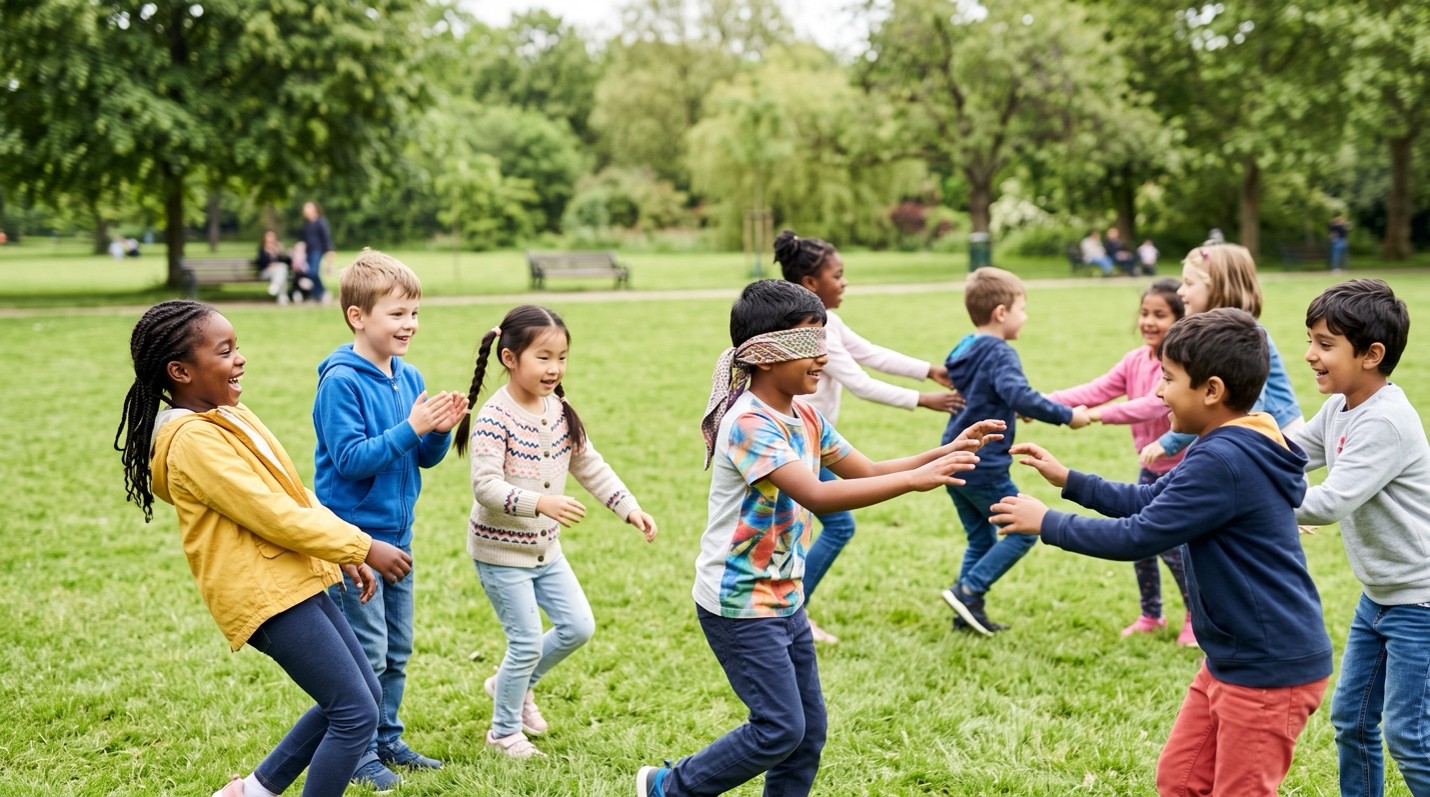
Image created with Gemini
What is intercultural dialogue and how do we teach it?
Intercultural dialogue is more than just talking to someone from a different country. It’s an open, honest exchange between people with different cultural backgrounds – built on respect, curiosity, and a willingness to actually listen. The goal isn’t to agree on everything. It’s to understand each other better.
Sounds simple, right? It isn’t. Real dialogue takes practice, and that’s where education comes in.
Why it’s harder than it looks
Bringing different people together doesn’t automatically create understanding. Stereotypes, prejudice, and plain old fear can get in the way. And let’s be honest – most schools teach kids to memorise facts, not to sit with discomfort or disagree respectfully. Teachers often want to do better but don’t get the training or support.
So how do we actually teach this stuff?
What real teaching looks like
The Globetrotters project, an Erasmus+ initiative working with primary schools in Greece, Romania, Serbia, and Belgium, offers some genuinely useful answers.
Kids learn by doing, not by being told.
Instead of memorising vocabulary lists, students step into real situations – ordering food, visiting a museum, joining a festival. Language becomes a tool for connecting, not just a subject to pass.
Role-play works wonders.
Through simple digital tools like Flip or ChatterPix, kids create avatars and try on someone else’s perspective. Teachers love this because shy students open up when they’re hiding behind a character. It feels safer to make mistakes.
Movement matters.
Some lessons pair language with dance or physical activity. Kids remember what their bodies experience, not just what they hear.
Values are built in.
Each module ties back to something bigger – empathy, respect, cooperation, friendship. Language learning never gets separated from being a decent human being.
What we can take from this
A few principles stand out:
Make it safe – but not too safe.
Kids need room to be honest and even uncomfortable, with adults who can guide them through it.Start with yourself.
You can’t understand others if you don’t understand your own biases first.Listen to understand, not to reply.
This is a skill, and it needs practice.Don’t ignore the hard stuff.
Stereotypes won’t disappear on their own. Talk about them.Involve families and communities.
Learning doesn’t stop at the classroom door.
The bottom line
Intercultural dialogue is a skill, not a personality trait. It can be taught – but only if we stop treating diversity like a themed potluck and start creating real opportunities for kids to connect, mess up, and try again. Projects like Globetrotters show it’s possible, even with young children. In a world that often feels divided, that might be the most important lesson we can offer.