
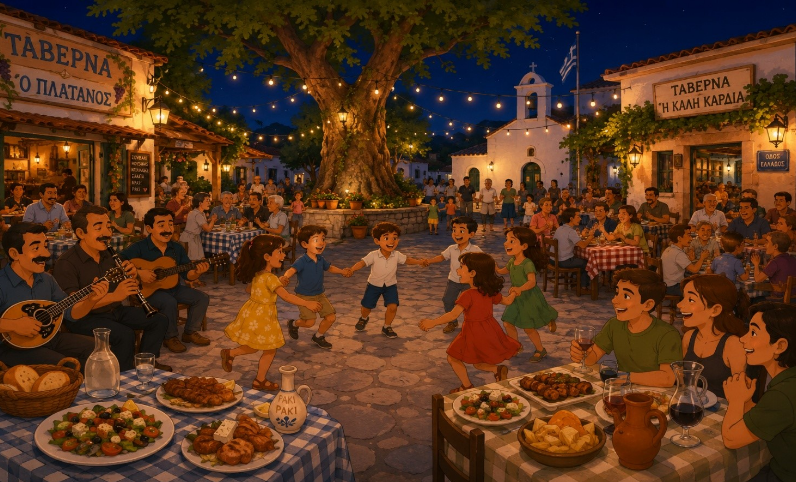
From festivals to food, exploring cultures with kids
In a world where cultural connections are expanding and human mobility is increasing, cultural understanding has become a vital necessity. Culture permeates every aspect of our lives, shaping our values, beliefs, and identities, and influencing how we perceive ourselves and interact with others (Magnaong, 2025). From an early age, children should be introduced to the importance of cultural diversity and encouraged to develop open-minded attitudes that promote tolerance. When children understand and appreciate cultural diversity, they gain the tools needed to build meaningful relationships and navigate different social perspectives with respect. The two most accessible, vibrant, and enjoyable gateways into any culture are its festivals and its food. By focusing cultural education on what people celebrate and what they eat, parents and educators can transform abstract global concepts into meaningful and memorable experiences. Exploring the world does not necessarily require travel; it can begin at home and at school through the senses: the taste of food, the rhythms of music, and the joy of traditional celebrations (Yeros, 2025).
Festivals: A Gateway to Collective Memory and Values
Festivals are not merely opportunities for entertainment; they are living lessons in history and morality. Through festivals, children develop a sense of belonging to a community and connect with their roots, while also learning to respect the traditions of others (Vikaasa School, 2025). Festival celebrations include traditions, music, and dances that educate and inspire children. Every culture has its own festivals that reflect its values and traditions. Here are a few examples:
- Holi (India): Known as the “Festival of Colors,” it teaches children about the triumph of good over evil through the story of the brave Prahlad. The playful use of colors symbolizes joy, love, and friendship.
- Songkran (Thailand): The traditional Thai New Year features a massive nationwide water festival, symbolizing purification and renewal for the coming year. It is a celebration that emphasizes the importance of family, as many people return to their hometowns to honor and spend time with relatives.
- Diwali (India): The “Festival of Lights” celebrates the victory of light over darkness. Activities such as making diyas (small oil lamps) and creating rangoli (intricate decorative ground patterns) encourage creativity and provide opportunities to discuss kindness and generosity.
- Día de los Muertos (Mexico): The “Day of the Dead” helps children understand their connection with loved ones who have passed away—not through sadness, but through songs, food, and storytelling.
- Mardi Gras (United States): A celebration filled with parades, music, and spectacular costumes, offering a vibrant and memorable experience for the entire family.
Gastronomy as a Universal Language
Food is perhaps the most immediate way for a child to experience another culture. “Foodways” encompass everything from how food is grown and prepared to the etiquette observed at the dining table (Eleuterio & Long, 2017). Every country has traditional recipes that reflect its history and values. Group cooking activities, such as preparing traditional dishes, can be highly educational for children. Parents often hesitate to introduce international cuisines because children may be picky eaters. The secret to overcoming fear of unfamiliar foods is participation. When a child is simply served an unfamiliar dish, rejection is understandable. However, when children take part in creating it, curiosity often outweighs hesitation. Children are sensory learners who explore the world through touch, smell, and taste. Cooking international recipes with children strengthens skills in areas such as mathematics (measuring ingredients), geography (locating countries on a map), and history. Furthermore, it helps address food selectivity, as children are generally more willing to try foods they have helped prepare.
- Thai cuisine: An opportunity for children to sample aromatic dishes and learn how to make lettuce and rice wraps.
- Italian cuisine: Beyond pizza, children can explore antipasti by tasting olives, cheeses, and rustic bread with olive oil.
- Mexican cuisine: Preparing homemade quesadillas and guacamole can easily become a family “fiesta.”
- Japanese cuisine: Sushi can be a fun experience for children, as they can participate in its preparation while learning about the cultural significance of food in Japan.
Activities for Exploring Cultures
- Cultural Workshops: Organize workshops in schools or local communities where parents can share their traditions through stories, music, and dance.
- Educational Programs: Incorporate lessons focused on language learning and the traditions of other countries (Globetrotters Project: https://globetrottersproject.eu/).
- International Exchanges: Collaborate with schools in other countries to facilitate student exchange programs, giving children firsthand cultural experiences.
- Arts and Crafts: Create cultural artifacts such as masks, traditional decorations, and other handmade items that promote creativity and understanding of cultural traditions.
Recommendations for Parents and Educators
- Create Cultural Days: Establish days dedicated to different cultures within schools or communities, where students can participate in activities and learn about traditions.
- Encourage Reading: Recommend books that focus on cultural traditions, encouraging children to read and discuss what they learn.
- Use Online Resources: Take advantage of digital platforms that provide educational materials about various cultures and festivals.
Community and Social Cohesion
Participation in cultural activities promotes social cohesion and mutual understanding among diverse communities. Festivals often bring together people from different backgrounds, creating opportunities for dialogue and cooperation.
Understanding and appreciating different cultures also helps children develop a strong sense of identity. By learning about their roots, children can build self-confidence and take pride in their cultural heritage.
Conclusion
Start Small! Exploring cultures does not need to be complicated. The key is to begin with activities that align with your child’s interests (Global Sprouts, 2025). Exposing children to a wide variety of traditions not only fosters appreciation and respect for others but also strengthens pride in their own cultural heritage.