
Bringing Language Awareness to Life in the Classroom
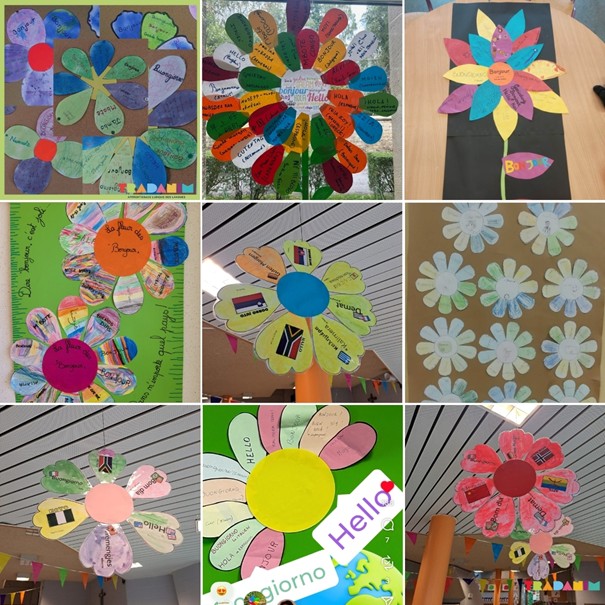
Bringing Language Awareness to Life in the Classroom A Dynamic and Cross-Curricular Approach Language Awareness is not an isolated subject. It connects all disciplines : mathematics, arts, science, geography, history, citizenship and more. Every area of learning becomes an opportunity to explore other languages. This approach relies on children’s natural curiosity and joy of learning, […]
Language Awareness: A European Approach to Opening the World to Children
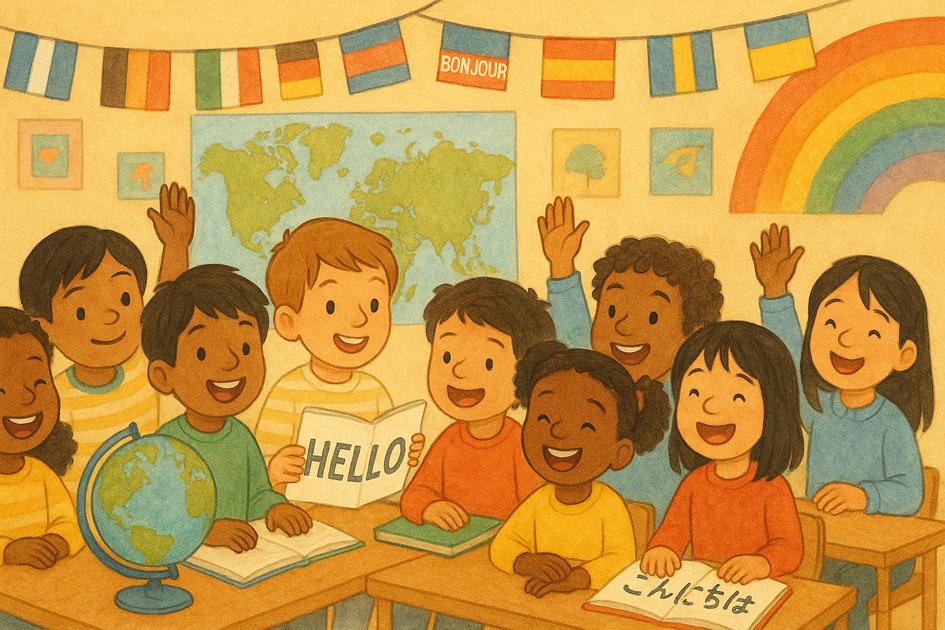
Language Awareness: A European Approach to Opening the World to Children A Shared European Vision Language Awareness is a playful, inclusive and global approach that invites children, from kindergarten onwards, to discover the linguistic and cultural richness that surrounds them. It develops listening skills, curiosity, tolerance and cooperation, while transmitting strong values of respect and inclusion. Its goal is not to teach a single […]
Digital Applications Supporting Role-Playing in Language Learning
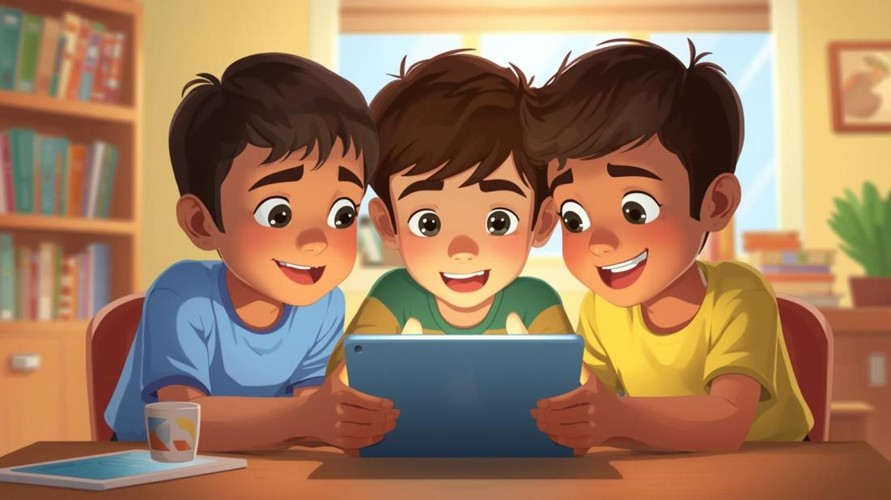
Role-play as a language-learning strategy is gaining increasing prominence in digital education because it enables learners to practice a foreign language in authentic yet low-risk situations. Through this approach, students simulate real-life interactions, such as ordering food in a restaurant, speaking at a service counter, or negotiating, thereby not only mastering linguistic structures but also cultivating creativity, spontaneity, and confidence in communication.
Language in Their Shoes – Role Playing in Language Learning
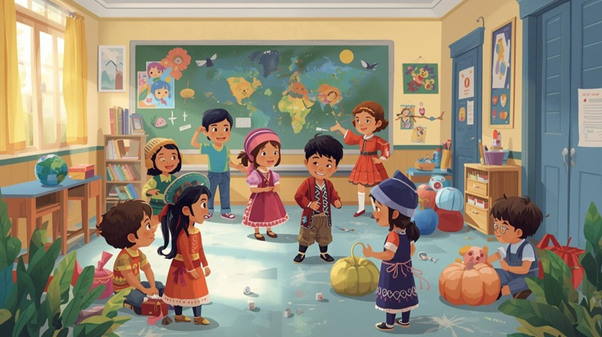
As it has long been known in the psychological development of children, a child experiences the world with all their senses, learns and acquires knowledge using speech, rhythm, movement, image, and play. The connection between play and learning is completely natural and part of a child’s earliest experiences. Playing has a very important role in the development of a child’s personality, and therefore, as a tool in the school learning process, it gains even greater significance.
Why Games Belong in the Classroom
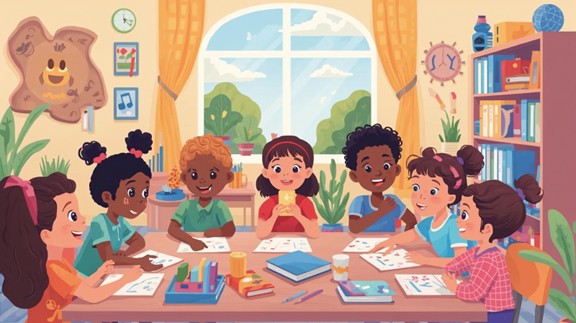
At first glance, it may seem paradoxical to associate the words “game” and “learning”, as in many educational systems, the classroom is still a space of discipline, efficiency, and predefined learning objectives. It is not considered a place for games, storytelling, or imaginative play. Yet, increasingly, research urges us to reconsider this perspective.
Games that boost language learning
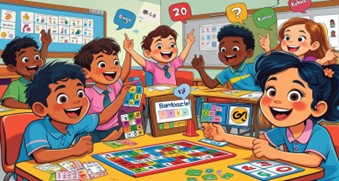
Imagine a classroom buzzing with energy, not from disruption, but from focused, joyful engagement. Students are laughing, thinking, moving, and most importantly, using the target language without fear.
The Power of Role Play in Teaching Languages and Culture in Early Childhood
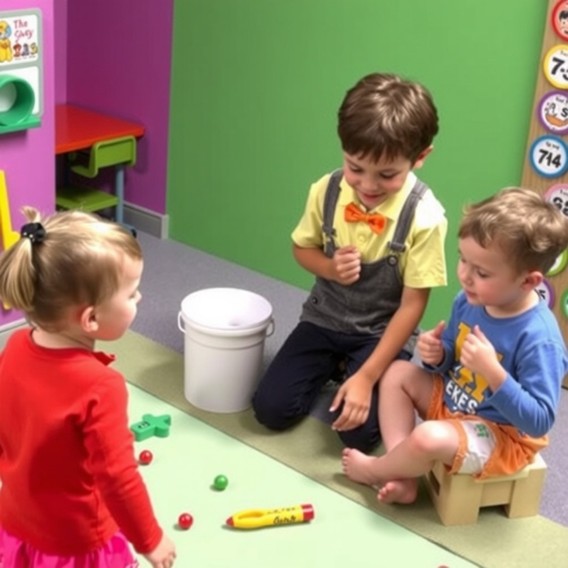
In early childhood education, learning is most effective when it is playful, meaningful, and rooted in real-life experiences. One of the most powerful strategies for achieving this is role play. When children take on different roles, such as a shopkeeper, parent, or traveller, they not only expand their imagination but also practice essential language and social skills in a fun and memorable way.
Learning by Doing: The Role of Interactive Storytelling
In early childhood education, the most effective learning happens through experience. Young children learn best not by listening passively but by engaging actively: touching, moving, speaking, pretending, and imagining.
Why It’s Never Too Early to Learn a Language

Language is more than vocabulary, it’s a way of seeing the world, a vehicle for identity, and a gateway to other cultures. And the earlier children are exposed to other languages, the deeper and more natural this learning becomes.
Globetrotters: Learning Languages, Discovering Cultures, Connecting Worlds

In a world where borders feel increasingly virtual, and difference is a daily encounter, education has the power to do something extraordinary: to prepare children not just for tests, but for life together. That’s the heartbeat behind the Globetrotters project, an ambitious European initiative that brings language discovery, cultural curiosity, and inclusive learning into the early years of education.